
Inflammation is getting the blame for a lot of health issues these days, and rightly so. Underlying inflammation is a big driver of dis-ease and a major factor in our nation's declining health. When it comes to weight loss, many people focus on restricting calories and increasing exercise to manage weight or they try to rely on sheer willpower to manage cravings and food intake. We were all taught that calories in = calories out. However, there is more to this story than you may realize. Lowering calorie intake and increasing movement won't necessarily lead to sustainable and maintainable weight loss.
What is the missing piece? Inflammation. Your body is designed with many protective measures in place and inflammation is one piece. Short term or acute inflammation is protective and necessary. Think of fever during illness. This is a protective mechanism that increases heat to help kill viruses and more, but a prolonged fever can lead to trouble. What was a good thing turns into a bad thing when it becomes chronic. Low-grade chronic inflammation disrupts our normal metabolism, making it harder to regulate blood sugar, burn fat, and maintain a healthy weight.
What is Chronic Inflammation?
Inflammation is your body's natural built-in defense system. Chronic inflammation is when the immune system stays mildly activated for months or years, even without an acute injury. You may not notice it or feel it directly, but over time it can affect nearly every organ in your body.
There are many drivers of chronic inflammation like high levels of visceral fats, the SAD (standard american diet), uncontrolled blood sugar, chronic stress, poor sleep, physical inactivity, smoking and more. Over time, constant immune activation begins to interfere with how your body processes energy and can inhibit weight loss.
How Inflammation Affects Metabolism
Metabolism is a key player in maintaining a healthy weight and is something to consider if you are embarking on a weight loss journey. Many people think metabolism only refers to how quickly they burn calories, but it's much broader than that. Your metabolism includes all the processes that help your body produce energy, build and repair tissues, regulate blood sugar, balance hormones, and maintain normal body functions.
Inflammation slows efficient metabolism. Essentially, these systems slow down, leading to less energy, increased fatigue, difficulty losing weight, uncontrolled blood sugar, food cravings and more. When inflammation is chronically high, it reduces insulin sensitivity, making it harder for your cells to utilize glucose for energy. This decrease in insulin sensitivity also drives increased fat storage and reduces fat burning making it harder for your body to switch between utilizing carbs and fat for fuel.
Foods That Can Promote or Reduce Inflammation
Overall dietary patterns matter more than any single food when it comes to inflammation. The single most impactful strategy you can implement is to always consume carbohydrates with fat and/or protein. This is the best way to support stable blood sugar and improve metabolism and lower chronic inflammation.
The second best strategy is to consume whole-foods as much as possible. These should make up at least 80% of your diet. This means reducing refined and processed and packaged food intake.
Common Inflammatory Foods:

Sugar-sweetened beverages
Refined grains/flours/breads
Ultra-processed snack foods
Deep-fried foods
Processed meats
Excess alcohol
Trans fats
Anti-inflammatory foods include colorful high-fiber fruits and vegetables, healthy plant fats, and omega-3 rich foods. The more color variety you have in your diet the more antioxidants and anti-inflammatory compounds you'll consume!
Anti-Inflammatory Foods:
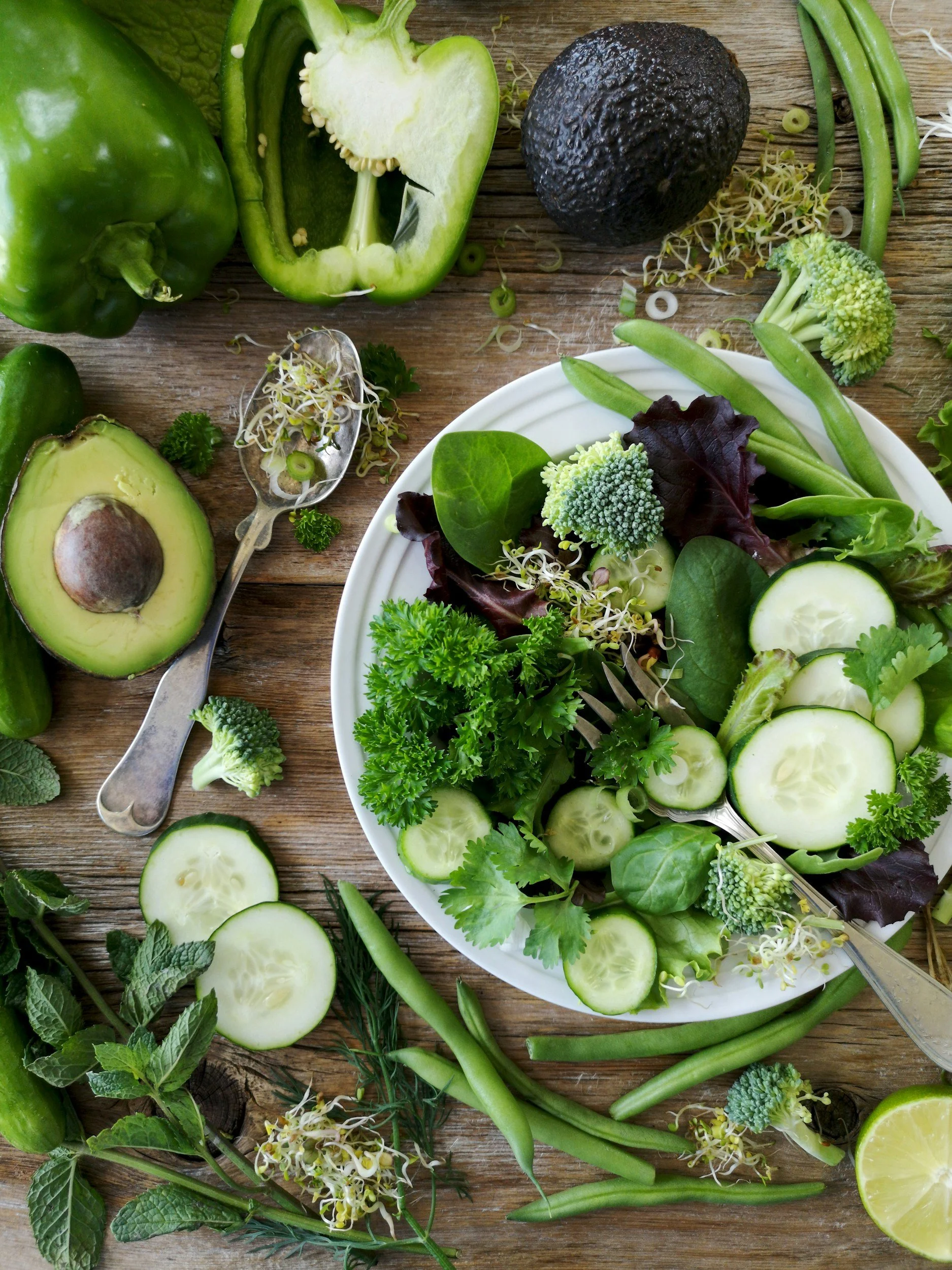
colorful produce (berries, leafy greens, cruciferous vegetables, etc.)
healthy plant fats (extra virgin olive oil, avocados, all nuts and seeds)
omega-3 rich foods (salmon, sardines, trout, mackerel, walnuts, chia seeds, flax seeds)
high fiber plants (beans, lentils, oats, quinoa, vegetables, fruit)
There are also many anti-inflammatory herbs and spices. Turmeric is a popular spice due to its high levels of curcumin - an active compound known to reduce inflammation. Other anti-inflammatory herbs include: ginger, cinnamon, garlic, and rosemary. So season up those veggies!
Lifestyle Factors
There are many lifestyle factors to consider when addressing chronic inflammation.
Chronic stress raises cortisol and chronically elevated cortisol can make it harder to keep blood sugar in range and lead to increased inflammatory signaling. Stress also influences our food choices and sleep quality. If you've ever changed your eating habits in response to high stress you know what this looks like! Maybe you skipped a meal or maybe you accidentally ate that entire bag of chips - either way, your stress levels can strongly influence your food choices making willpower useless.
Consider daily walks (preferably outdoors in nature), using breath work or meditation to reduce your stress levels. Literally take a walk before you make any food choices while stressed! Lean on your friends and family - social support is crucial for healthy stress management.
Sleep also strongly influences our inflammatory markers and can worsen insulin sensitivity. Poor sleep can also disrupt hunger hormones and fullness signals leading to overeating or cravings for sugary foods. After a poor night’s sleep you are more likely to look for energy to help you get through the day and that looks like caffeine, sugar, or carbs. Chronic over consumption of these foods can disrupt metabolism and increase inflammation.
Sleep hygiene isn't something to overlook. Set yourself up for success with a consistent bed time, taking time to wind down after your day, and limiting blue light and late night meals/snacks to improve your rest.
Physical activity is the last lifestyle factor that makes a difference in our inflammation. Over or under exercise can put a lot of stress on our body. Moderate regular exercise is most helpful for reducing inflammatory markers. It also improves blood sugar and insulin sensitivity. One of the most simple strategies is movement after a meal. Examples include taking a 10-15min walk or even doing 5 min of squats. These movement practices will dramatically improve your insulin and glucose uptake. Physical activity also helps maintain muscle which is absolutely essential for metabolic health. Check out last month’s post about protein and muscle: https://premierintegrativehealthkc.com/health-blog/why-protein-matters-more-after-40.
Rather than focusing only on weight loss, focus on reducing the underlying inflammatory factors that impair metabolism.
Small daily habits that can have a meaningful impact:
Build balanced meals with protein, fiber, and healthy fats.
Eat more colorful plant foods.
Limit ultra-processed foods most of the time.
Prioritize sleep.
Manage stress consistently.
Move your body regularly.
These habits work together to lower inflammation, improve insulin sensitivity, and support long-term metabolic health.
Weight gain is rarely just a matter of calories or willpower. Chronic inflammation can influence how your body stores fat, regulates blood sugar, and responds to insulin. By addressing nutrition, sleep, stress, and physical activity together, you can support a healthier metabolism and create a stronger foundation for sustainable weight management. Consider our Premier Metabolic Reset group program to deep-dive into the inflammatory drivers in your life and learn sustainable practices to improve weight and inflammation!