Why Protein Matters More After 40
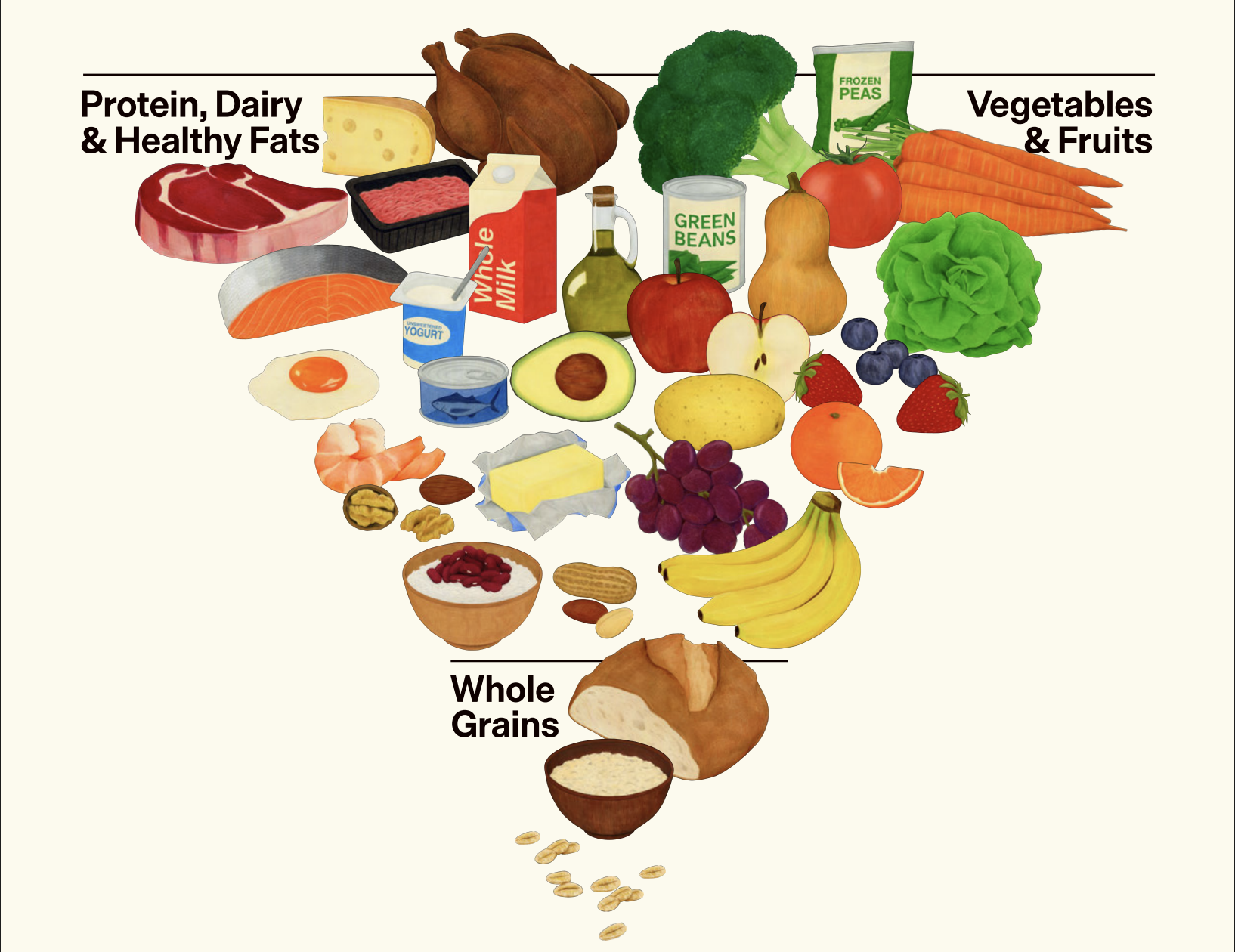
Source: U.S. Department of Agriculture and U.S. Department of Health and Human Services, Dietary Guidelines for Americans, 2025–2030.
Protein is not the newest kid on the block, but it has been getting a lot of attention these days. If you've seen the newest dietary guidelines from the USDA, you'll notice the new spotlight on protein! This is a major win for us in the functional medicine field that often sees chronic under consumption of protein. We are so excited to share more about it.
Now that protein has your attention, you might be wondering am I consuming enough protein? If you've noticed an increase in fatigue (and let's face it, as we age into our 40s, this is a common struggle), a loss of muscle tone, or a slow up creep in weight despite eating the same foods, you may not be consuming adequate protein.
Protein Needs Change With Age
Protein plays a major role in healthy aging because of how it helps build and maintain lean muscle. Protein and muscle building isn't just for body builders! It is absolutely foundational for metabolic health, hormone balance, and long-term vitality for all of us.
And as we at PIH like to say, it adds "life to years".
Protein needs often increase with age, especially when you're also struggling with poor metabolic health and blood sugar regulation because of the way muscle behaves metabolically.
As we age, muscle mass naturally declines, and over time reduced muscle mass lowers your metabolic rate. Blood sugar regulation becomes less efficient over time and increases your risk of diabetes.
For the ladies, hormonal changes during perimenopause and menopause can worsen muscle loss and increase potential for insulin resistance - this makes consuming adequate protein and maintaining muscle an absolute must!
Why do we need muscle?
Muscle is metabolically active and each pound of muscle uses up ~6-10 calories a day. Lean muscle also helps you stay active and mobile as you age.
The more lean muscle mass you have, the better your body will respond to and regulate blood glucose. Muscle is one of the primary storage locations for glucose, and insulin helps regulate the uptake of glucose into muscle tissue. The more muscle you have, the more glucose you can store and the more you can efficiently respond to insulin. Lean muscle mass helps lower the likelihood of excess glucose remaining in circulation in your blood stream, thus supporting lower blood glucose levels.
What foods are high in protein?
Now that we understand why we need adequate protein intake and muscle - let's learn what foods are rich in protein.
Side Note – With the new focus on protein, you'll start to see lots of food companies calling out protein amounts on their product labels – just be sure it's not also laden with high sugars, refined carbs, or extra preservatives!
Both animals and plants provide good amounts of protein. You can't go wrong with consuming a variety of plants and animal foods to increase your protein intake.
Some plants do not contain all 9 essential amino acids (proteins). Those that do are called "complete proteins". You'll find all essential amino acids in plant foods like:
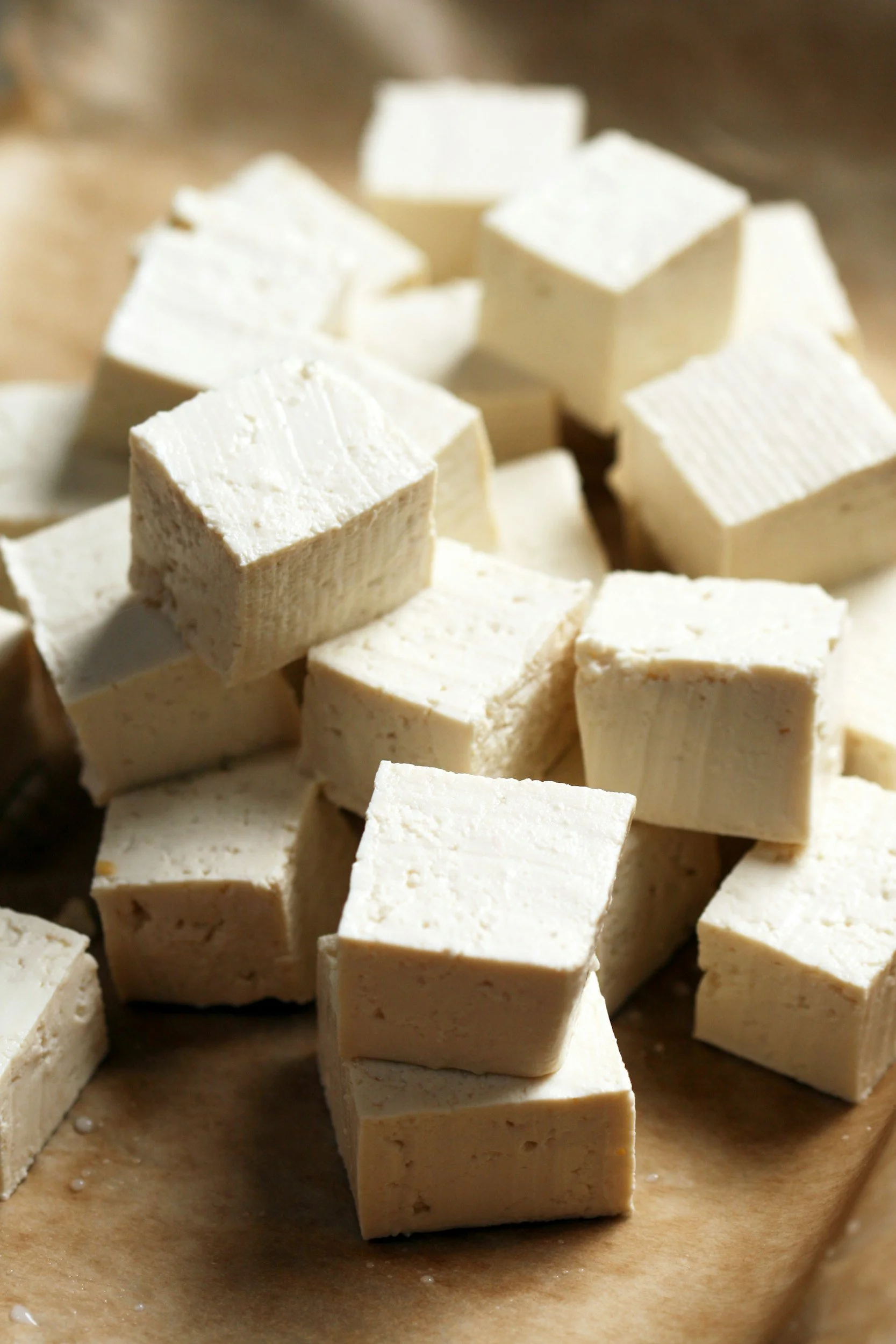
soy - organic is best (this is a monocrop and typically laden with glyphosate and other pesticides)
tofu - a great lower carb plant-based protein source
tempeh - fermented soy with high probiotic content (great for gut health)
edamame - rich in fiber, folate, and magnesium
quinoa - rich in fiber, magnesium, and iron
buckwheat - rich in antioxidants, gluten-free
hemp seeds - also rich in omega-3 fats and magnesium
chia seeds - rich in fiber and omega-3 fats
Animal sources of protein contain all essential amino acids and are easily absorbed in the body. Your best options include:
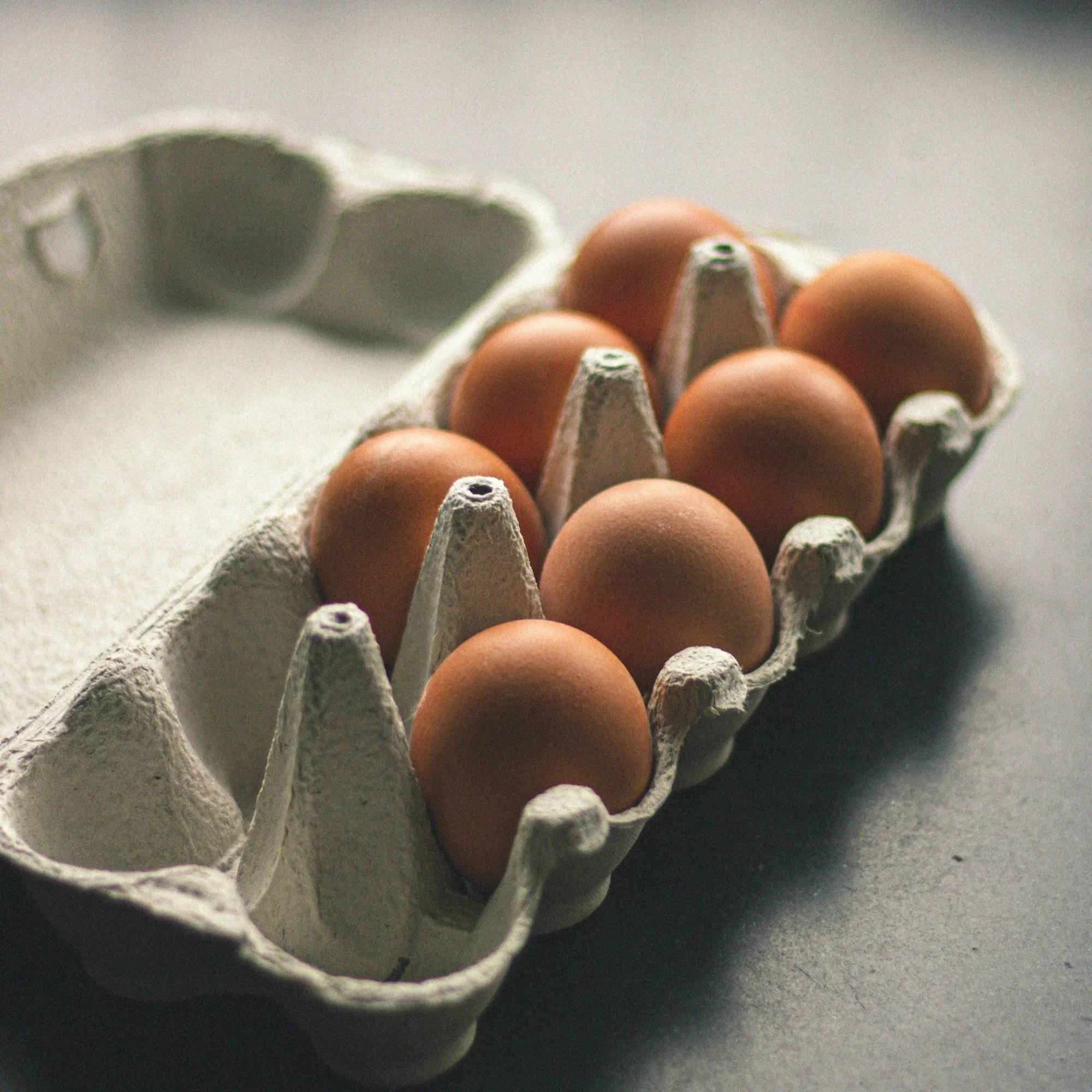
eggs
fish
chicken
turkey
beef
greek yogurt
cottage cheese
What is my protein need?
You can determine your unique protein needs by using your weight. First, convert your weight from pounds to kilograms by dividing by 2.2. Take that number and multiply by 1 and you'll have your minimum daily protein goal and then multiply it by 2 to get your maximum protein target.
A healthy range of protein intake is roughly 1-2g of protein per kg of healthy body weight. If you are overweight, 1-1.2g of protein per kg of body weight is the best place to start! If you’re active or lifting weights aim for 1.5-2g of protein per kg of body weight - this supports muscle growth and recovery.
Sometimes, our health status or individual goals can change this recommendation! If you want to learn your true needs, consider partnering with us to guide your nutrition!
Practical High Protein Meal Examples
Breakfast Ideas
Greek yogurt with berries, chia seeds, and walnuts
Eggs with sautéed vegetables and avocado
Protein smoothie with greens, flax, and berries
Lunch Ideas
Grilled salmon salad with quinoa
Turkey lettuce wraps with vegetables and hummus
Lentil bowl with roasted vegetables and tahini
Dinner Ideas
Chicken with roasted vegetables and sweet potato
Tofu stir-fry with broccoli and brown rice
Grass-fed beef bowl with greens and cauliflower rice
Snack Ideas
Cottage cheese + berries
Hard-boiled eggs
Edamame
Nuts or nut butter with fruit
We encourage you to explore your current protein intake and experiment with increasing whole-food sources of protein and see how your energy improves! If you want more personalized nutrition guidance and metabolic support, consider working with us at PIH!